
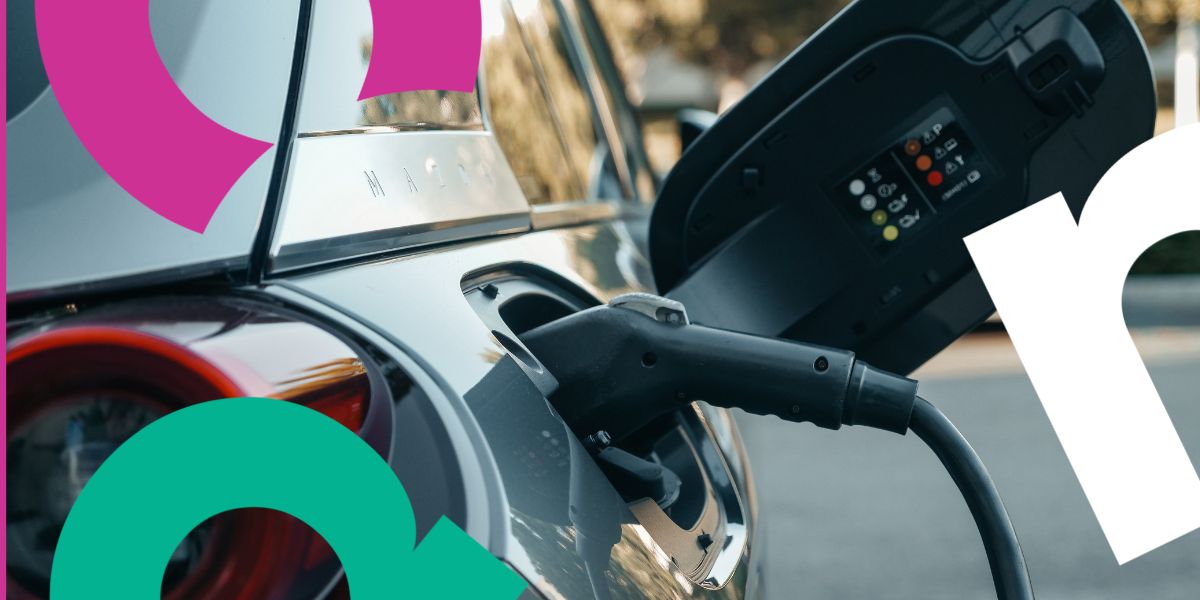

For most of the last decade, the company car looked like a relic. Tax bills climbed, perks shrank, and plenty of employees and directors took the cash allowance instead. The sums have moved since then. EVs sit in the lowest tax band there is, the November 2025 Budget changes landed this April, and HMRC is about to pull company cars into real-time payroll.
So we ran the numbers on three £40,000 cars to see which one earns a parking space.
Meet the contenders
Each car has a list price (the P11D value) of £40,000, and we’ve used 2026/27 rates throughout.
| Car | CO2 (g/km) | BIK rate 2026/27 |
| Electric | 0 | 4% |
| Petrol | 125 | 31% |
| Diesel (RDE2 compliant) | 120 | 30% |
BIK (benefit in kind) is the share of the car’s list price that HMRC treats as extra salary. The driver’s income tax rate is then applied to that share.
One for diesel drivers. If the car doesn’t meet the RDE2 emissions standard, HMRC adds a 4% surcharge, which would push our diesel from 30% to 34%. All rates come from HMRC’s appropriate percentage tables.
What the driver pays
A basic-rate taxpayer pays £320 a year for the EV. The petrol equivalent costs them £2,480, nearly 8 times as much.
| Annual company car tax, 2026/27 | Electric | Petrol | Diesel |
| Taxable benefit | £1,600 | £12,400 | £12,000 |
| Basic rate (20%) | £320 | £2,480 | £2,400 |
| Higher rate (40%) | £640 | £4,960 | £4,800 |
| Additional rate (45%) | £720 | £5,580 | £5,400 |
A higher-rate director who picks the EV over petrol keeps £4,320 a year. That’s £360 a month, or one very nice holiday.
Scottish taxpayers have their own rates, so the exact figures shift north of the border. The gap between the cars stays put.
The free fuel trap
If the business pays for private petrol or diesel, a second tax charge kicks in. It’s called the fuel benefit charge, and it’s a flat amount. Drive 1 private mile or 15,000 and the bill is the same.
For 2026/27, HMRC multiplies a fixed £29,200 by the car’s BIK rate.
| Fuel benefit charge, 2026/27 | Electric | Petrol | Diesel |
| Taxable benefit | £0 | £9,052 | £8,760 |
| Basic rate (20%) | £0 | £1,810 | £1,752 |
| Higher rate (40%) | £0 | £3,621 | £3,504 |
Add that to the car itself and a higher-rate petrol driver hands HMRC £8,581 a year. Unless they rack up serious private mileage, free fuel is a bad deal.
The EV avoids the charge completely. Electricity doesn’t count as fuel for this purpose, and charging at a workplace charger is tax free.
What the business pays
The employer saves as well. Class 1A National Insurance, at 15%, is due on every pound of taxable benefit.
| Employer costs, 2026/27 | Electric | Petrol | Diesel |
| Class 1A NI on the car | £240 | £1,860 | £1,800 |
| Class 1A NI on free fuel | £0 | £1,358 | £1,314 |
| Year 1 capital allowance (bought outright) | £40,000 (100%) | £2,400 (6%) | £2,400 (6%) |
| Corporation tax saved in year 1, at 25% | Up to £10,000 | £600 | £600 |
Capital allowances
Buy a new EV outright and the company can deduct the full £40,000 from its profits in year 1. A company paying the 19% small profits rate would still save £7,600. This 100% first-year allowance runs until 31 March 2027 for companies, so the clock is ticking. Petrol and diesel cars crawl along at 6% a year in the special rate pool.
Leasing
For cars over 50g/km, 15% of the lease rentals can’t be deducted for tax. EVs escape that restriction.
Road tax
EVs pay £10 in year 1, then £200 a year. From April 2026, the expensive car supplement only applies to EVs listed above £50,000. Petrol and diesel cars keep the £40,000 threshold, so tick one extra option box and you’ll pay another £440 a year for 5 years.
The 3-year view
Over a typical 3-year cycle from April 2026, the EV saves a higher-rate driver £12,480 compared with petrol. The employer saves £4,680 in NI.
| 3 years, 2026/27 to 2028/29 | Electric | Petrol | Diesel |
| BIK rates | 4%, 5%, 7% | 31%, 31%, 32% | 30%, 30%, 31% |
| Higher-rate driver’s tax | £2,560 | £15,040 | £14,560 |
| Employer’s Class 1A NI | £960 | £5,640 | £5,460 |
These figures leave out free fuel. Add it and the petrol and diesel totals climb by roughly another £15,000 between driver and employer.
What’s coming down the road
- EV tax keeps creeping up. BIK on electric cars reaches 9% by 2029/30. Our £40,000 EV would then cost a higher-rate driver £1,440 a year, still well under a third of the petrol bill.
- Pay per mile arrives in April 2028. The new eVED charge adds 3p a mile for EVs, so 10,000 miles a year costs £300. Agree now who picks that up.
- Company cars go real time in April 2027. Company cars and car fuel are in the first wave of mandatory payrolling of benefits. Tax and Class 1A will run through payroll every pay day, and P11Ds drop out for these benefits.
The verdict
As an employee, the choice uis easy. If you want a company car, it needs to be electric. If the only choice is petrol or diesel, it’s cheaper to take the allowance and get you own car.
An EV company car costs the driver pennies in the pound and, if it’s bought before 31 March 2027, hands the business a full tax write-off. Petrol and diesel company cars still carry the heavy bills that drove everyone away in the first place.
EVs won’t suit every driver. Anyone who can’t charge at home, or who covers huge distances, should weigh up range and charging time before they sign. Salary sacrifice deserves a look too, as EV schemes are still a popular way to offer cars across the wider team.
Before you hand over the keys
From April 2027, company car tax moves into your payroll in real time. Get the car details, start dates and fuel arrangements right from day 1 and the switch is painless. Get them wrong and you’ll be unpicking them every pay day.
That’s where we come in. Ascend’s payroll pros can model the numbers for your team, set up benefits payrolling and keep every payslip spot on. Get in touch with the Ascend team and let’s get your company car policy road ready.